Product Knowledge
Ceramic Faucet Cartridges Explained: 30 mm vs 35 mm vs 40 mm
What the ceramic cartridge inside a single-lever mixer does, how 30, 35 and 40 mm sizes differ, and what buyers should specify for durability and spare-part supply.

Key takeaways
- The ceramic cartridge is the valve that controls flow and temperature in a single-lever mixer — it largely determines how a faucet feels and how long it lasts.
- 35 mm is the most common size for basin and shower mixers; 30 mm suits slim designer bodies; 40 mm is typical of heavier kitchen faucets.
- Specify the cartridge size and brand in your order and keep spare cartridges in stock to support after-sales service.
Open any modern single-lever mixer and you will find a compact cylinder at its heart: the ceramic disc cartridge. Two polished ceramic discs slide against each other to open, close and blend hot and cold water. Their quality decides whether a faucet feels smooth for years or starts dripping after a season.
How a ceramic cartridge works
Inside the cartridge, a fixed ceramic disc with inlet ports sits beneath a moving disc connected to the lever. Lifting the lever aligns the ports to increase flow; turning it shifts the ratio of hot to cold. Because the discs are extremely hard and flat, they seal without rubber washers — which is why ceramic cartridges outlast older compression valves.
30 mm, 35 mm and 40 mm compared
| Size | Typical use | Notes |
|---|---|---|
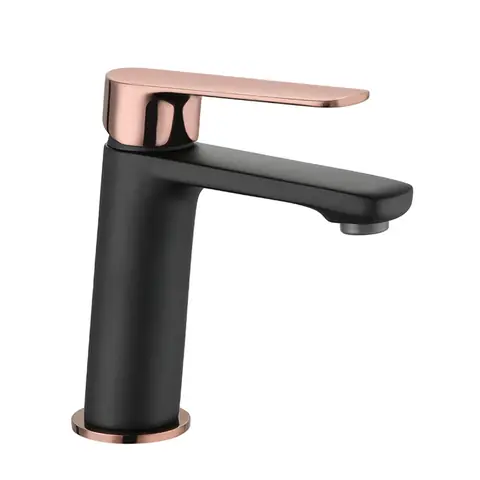
| 30 mm | Slim, designer basin mixers | Allows narrow bodies such as the 3178MR series. |
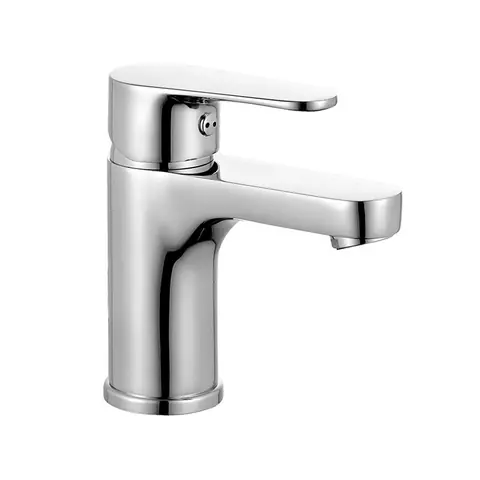
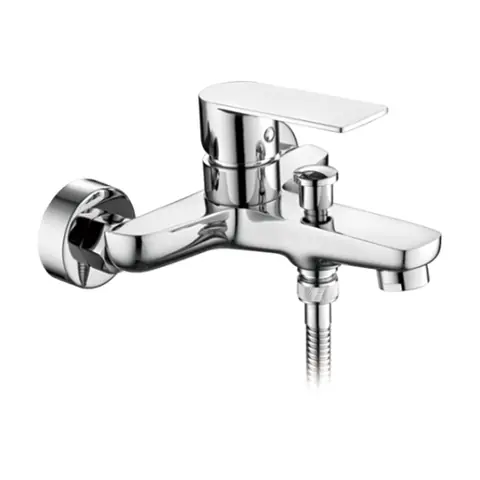
| 35 mm | Standard basin, bath and shower mixers | The most widely stocked size; used in the 3177-30 and 3191-10. |
| 40 mm | Kitchen and high-flow mixers | Larger ports for higher flow and a more substantial body. |
What separates a good cartridge
- Disc flatness and finish. Precision-lapped discs seal better and feel smoother.
- Lubricant. Food-grade silicone grease keeps the lever action consistent.
- Cycle testing. Ask how many open/close cycles the cartridge has been tested to.
- Brand and traceability. Named cartridge suppliers make replacement easier for your service team.
Buyer tips
- Write the cartridge size and brand in the purchase order and on the approved sample label.
- Order spare cartridges with the first shipment — typically 1–2% of quantity.
- Keep cartridge sizes consistent across a range to simplify after-sales stock.
Frequently asked questions
Why is my mixer dripping after installation?
Debris from new pipework is the most common cause. Flushing the lines before fitting the faucet and checking the cartridge seat usually solves it.
Can I replace a cartridge without replacing the faucet?
Yes. Remove the handle and bonnet, unscrew the cartridge nut and fit an identical cartridge. We supply spare cartridges for our faucet ranges.